HELA BPC LTDSystems. Software.
Solid foundations.
Thoughtful IT starts beneath the surface.
We connect the details of software, systems,
and infrastructure to the bigger picture.
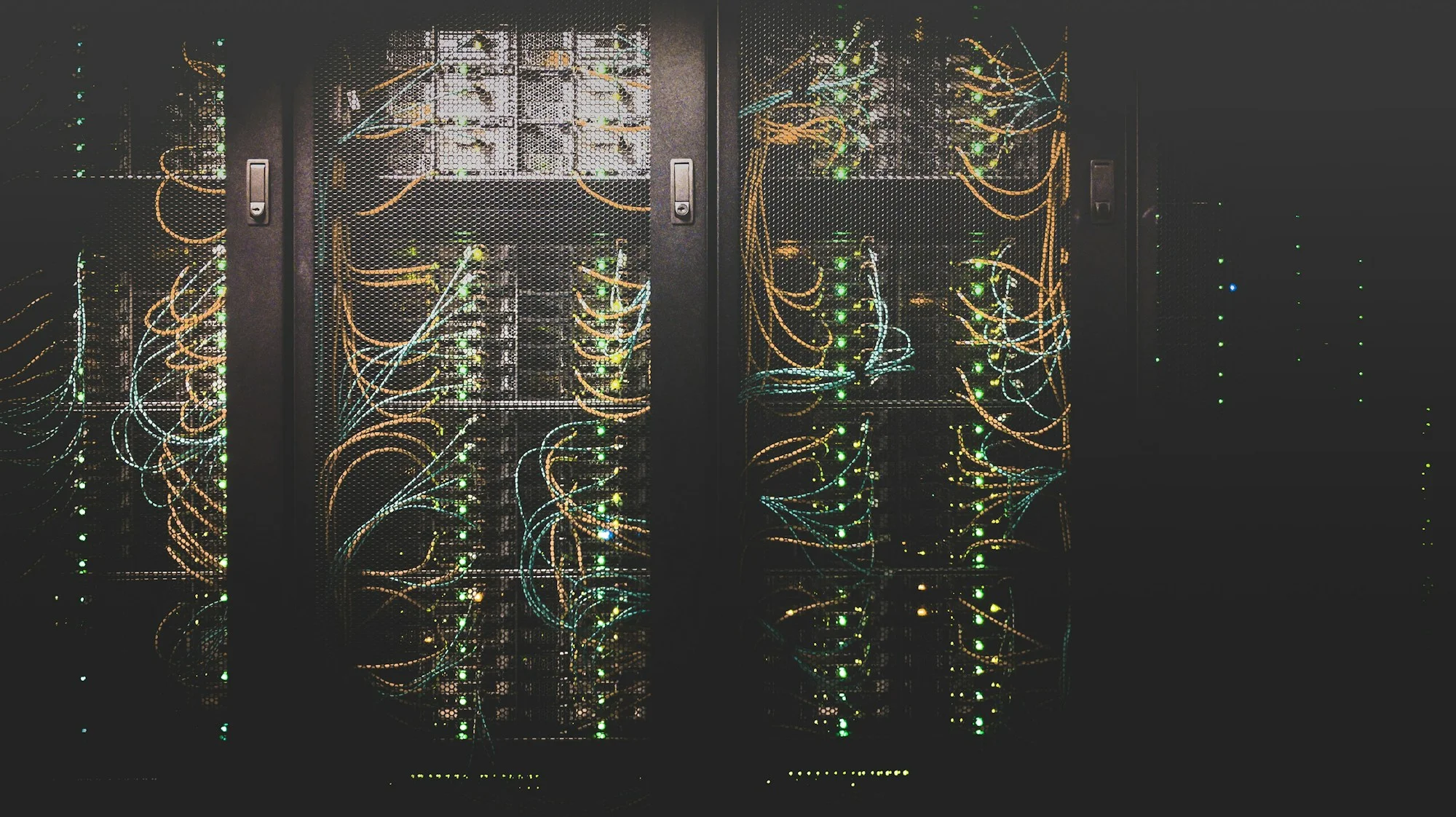
Built around the real problem.Fig. 01 / Network infrastructure
Illustrative photography
Technology is a system.
Not a collection of parts.
HELA BPC LTD is an IT company with a practical perspective on software and the infrastructure that supports it. A useful starting point is understanding how the pieces work together—and where they do not.
Prospective clients can discuss a new application, disconnected systems, a difficult deployment, or a technical decision that needs a clearer direction. The conversation begins with the problem, the people affected, and the constraints around the work.
Different layers.
One considered approach.
Proposed service categories for review. The scope and deliverables of any engagement would be agreed around the actual project.
Software development
Purpose-built applications, internal tools, and improvements to existing software. From requirements to a maintainable codebase.
Systems integration
Connecting applications, APIs, and data flows so that information moves coherently between the systems your work depends on.
IT consulting
A structured look at technical decisions, system constraints, and possible next steps before committing to implementation.
Infrastructure support
Deployment planning, environment configuration, and operational practices that make systems easier to understand and support.

The right connections
make the difference.
An application rarely operates alone. It depends on data, interfaces, workflows, and the systems around it. Development and integration should account for that whole context.
Example needs include an internal tool, a defined API connection, or a replacement for a manual data transfer. Possible deliverables include working software, interface documentation, and a testing approach suited to the agreed scope.
Behind every release,
a foundation.
How a system is deployed, observed, and recovered matters as much as how it is built. Infrastructure discussions can address environments, dependencies, configuration, and operational responsibilities.
Deployment notes, monitoring plans, and recovery procedures can form part of an agreed handover. The aim is to make day-to-day operation more understandable, without promising a specific availability or response time.
From the first question
to the final handover.
Every project has its own context. An engagement can follow a clear sequence, with the scope, responsibilities, and checkpoints agreed before implementation begins.
Discovery
Discuss the current situation, intended users, requirements, and practical constraints. Identify what is known and what needs investigation.
Definition
Outline the proposed scope, priorities, deliverables, and acceptance criteria. Make assumptions and dependencies explicit.
Implementation
Develop the agreed solution in reviewable stages. Test relevant behavior and discuss material changes to the scope.
Handover
Share the agreed code, documentation, and operational notes. Clarify ownership and any separately agreed ongoing support.
Built to be understood.
Designed to be maintained.
Good engineering is as much about what happens after delivery as it is about the first release. The decisions should remain legible to the next person working on the system.
Maintainability
Prefer clear structures and understandable code. Make routine changes possible without requiring someone to rediscover every original decision.
Documentation
Record the decisions, interfaces, and operational steps that matter. Documentation should support the people who will use and maintain the system.
Security-conscious design
Consider access, data handling, dependencies, and failure modes from the outset. Review the risks relevant to the agreed scope.
Practical simplicity
Choose technology to fit the problem, not the other way around. Keep unnecessary complexity out of the implementation and the handover.
A few things
worth clarifying.
What should an initial inquiry include?
A short description of the project, the problem you want to address, your existing systems, and any timing or budget constraints. You do not need a finished specification to begin a discussion.
Can a conversation start with an existing system?
Yes. An existing application, integration, or deployment can be the starting point. Useful context includes what currently works, what is difficult, and any restrictions on changing it.
How are scope and deliverables decided?
They would be discussed and agreed for the individual project. Proposed service categories are a starting point, not a promise that every request or technology can be supported.
What happens after delivery?
Handover and any ongoing involvement would be defined in the agreement. Documentation, ownership, and support expectations should be clear rather than assumed.
A technical challenge.
A considered conversation.
Tell us what you are working on, what needs to change, and any constraints that matter. A clear starting point makes a useful first conversation.